
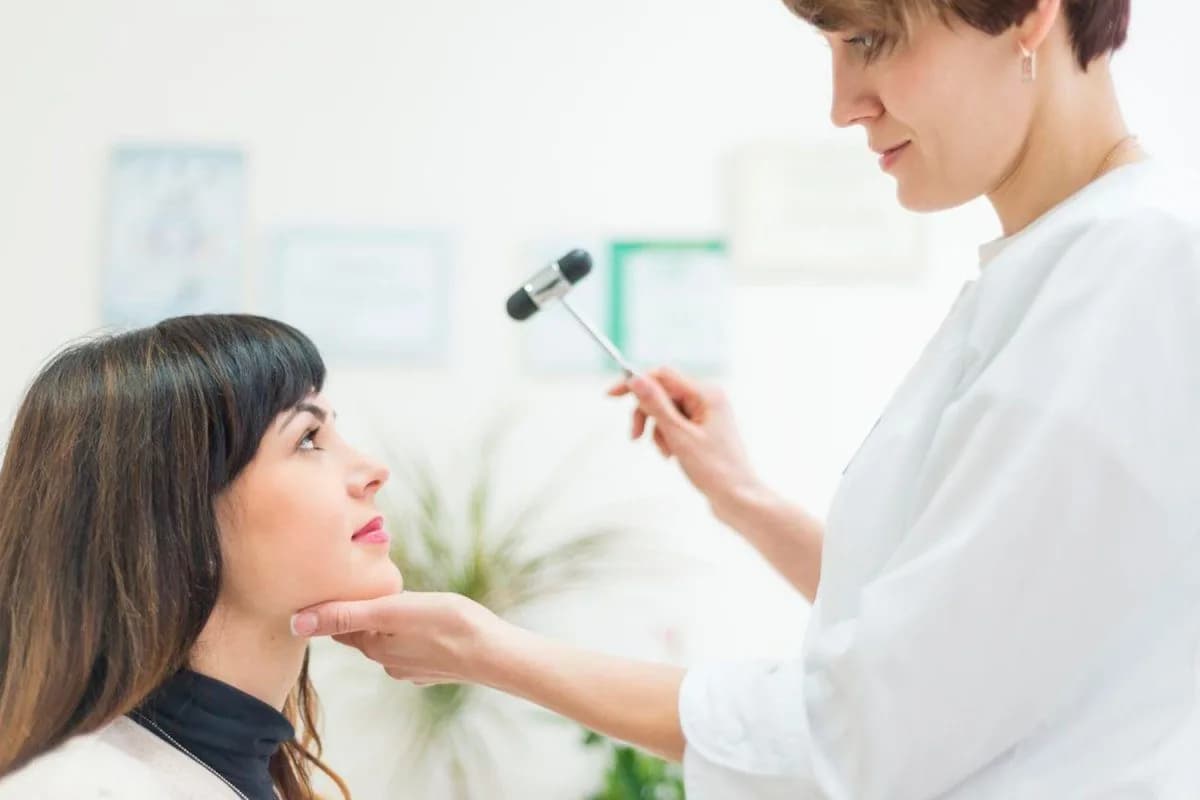
Medical department
Neurology
Headaches, spinal disorders, pinched nerves and monitoring of recovery after stroke.

Neurological complaints are often ones people "put up with": headaches are treated with painkillers, neck pain is blamed on fatigue, and numbness in the hands on sleeping position. Yet when these symptoms keep coming back, they point to a specific problem in the nervous system, and timely treatment often prevents the need for surgery.
The most common group of patients in the department are those with spine-related pain: osteochondrosis is second only to respiratory infections in how common it is. Treatment is not limited to medication: the plan is built together with the physiotherapy and rehabilitation department.
Neurology
Conditions we see
The list is not exhaustive: if your complaint is not here, you can still contact us.
Spine and peripheral nerves
- Osteochondrosis
- Herniated and bulging discs
- Neck and lower back pain
- Pinched nerves (radiculopathy)
- Numbness and burning sensation in the hands and feet
Headache and dizziness
- Migraine
- Tension-type headache
- Vestibular dizziness
Central nervous system
- Ischemic stroke and the recovery period
- Movement disorders
- Memory and attention problems
- Sleep disorders
In the department
Examinations and procedures
- Neurological examination and consultation
- Ordering and reviewing imaging studies
- Pain management planning
- Referral to a post-stroke rehabilitation program
- Combined treatment plan with physiotherapy
- Home neurological examination for patients with limited mobility
When to see a doctor
- If your headaches have changed in character or become more frequent
- Numbness, weakness or a burning sensation in the arms or legs
- Neck or lower back pain that worsens with movement
- Balance problems and recurrent dizziness
- To plan the recovery period after a stroke
Your visit
How the appointment goes
1. History
The location and character of the pain and what makes it worse are clarified; much of the diagnosis takes shape at this stage.
2. Examination
Reflexes, sensation and muscle strength are tested.
3. Imaging
If indicated, CT or X-ray is ordered and the results are reviewed the same day.
4. Treatment
Medication, physiotherapy and an exercise program are combined, and a follow-up visit is scheduled.
Questions
Frequently asked questions
Does a herniated disc always require surgery?
No. In most cases conservative treatment and rehabilitation are enough; the decision to operate is based on specific indications.
When is a headache a warning sign?
A very severe headache that starts suddenly, or a headache accompanied by fever or changes in consciousness, requires urgent medical attention.
What causes numbness?
Causes range from nerve compression to vitamin deficiency and circulatory problems; examination and tests tell them apart.
How long does recovery after a stroke take?
It depends on the area of damage and how soon rehabilitation begins. A program started early significantly improves the outcome.
Medical departments
Other departments


Laboratory
Biochemical, hormonal, microbiological and molecular genetic testing, with samples taken at the clinic or at your home.


Diagnostics
Computed tomography, digital X-ray, ultrasound and Doppler, in one day and at one address.
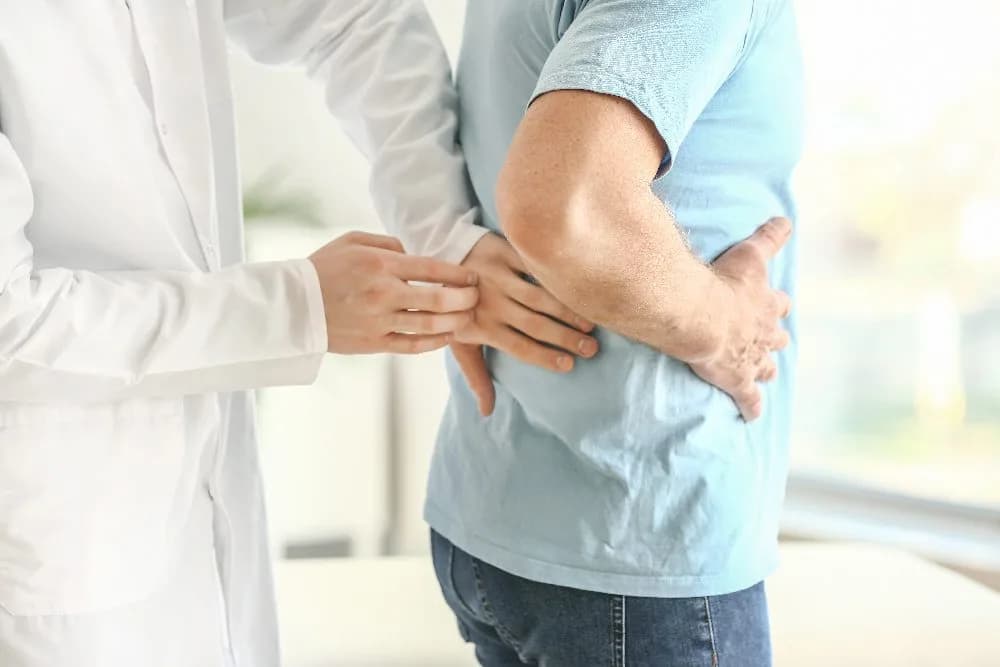

Urology
Diagnosis, treatment and prevention of diseases of the urinary tract and the male reproductive system.
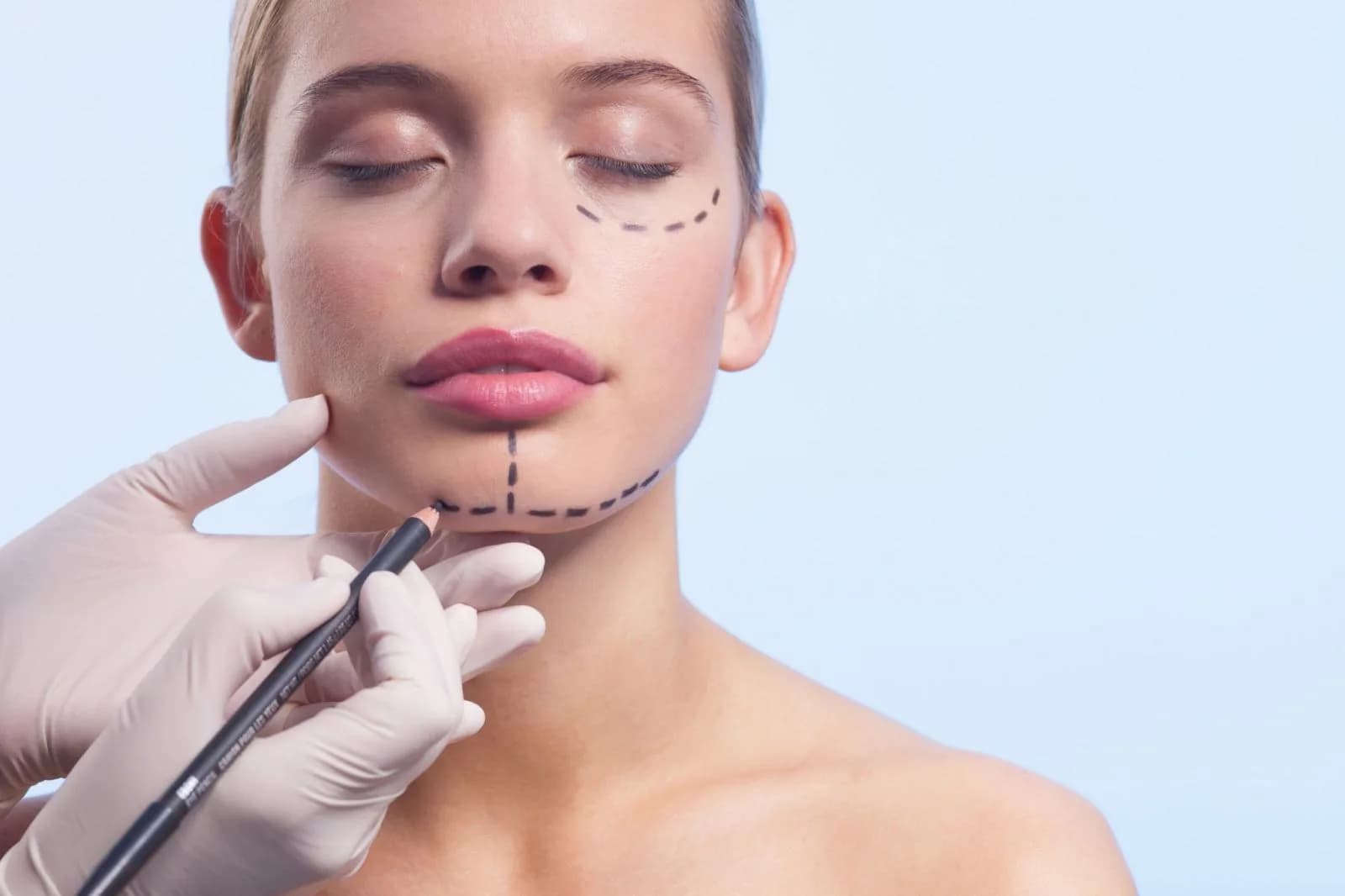

Aesthetic surgery
Surgical procedures that correct appearance and also address functional problems.
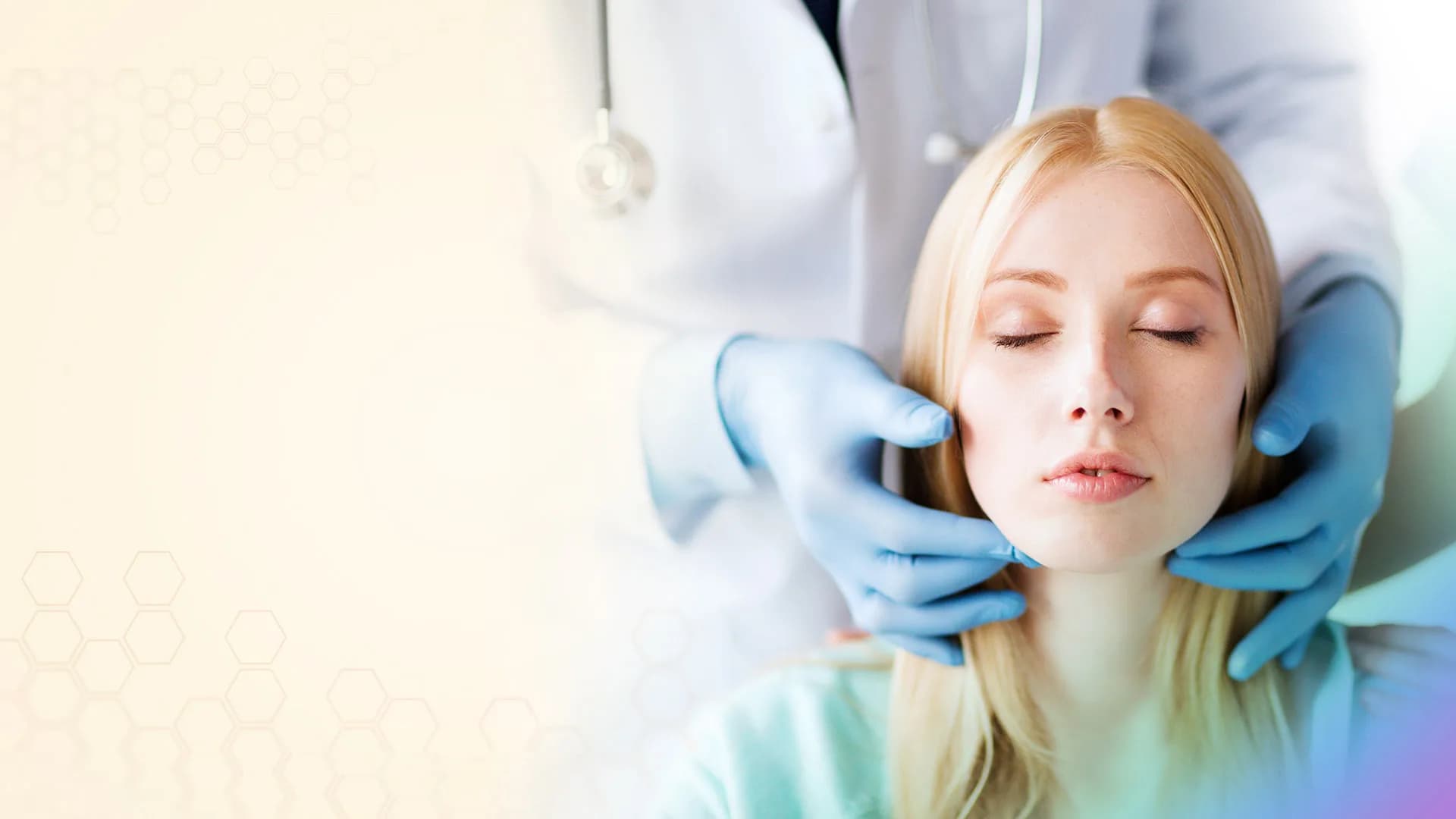

ENT (Ear, Nose and Throat)
Diagnosis and treatment of ear, nose and throat conditions in adults and children, with endoscopic examination.
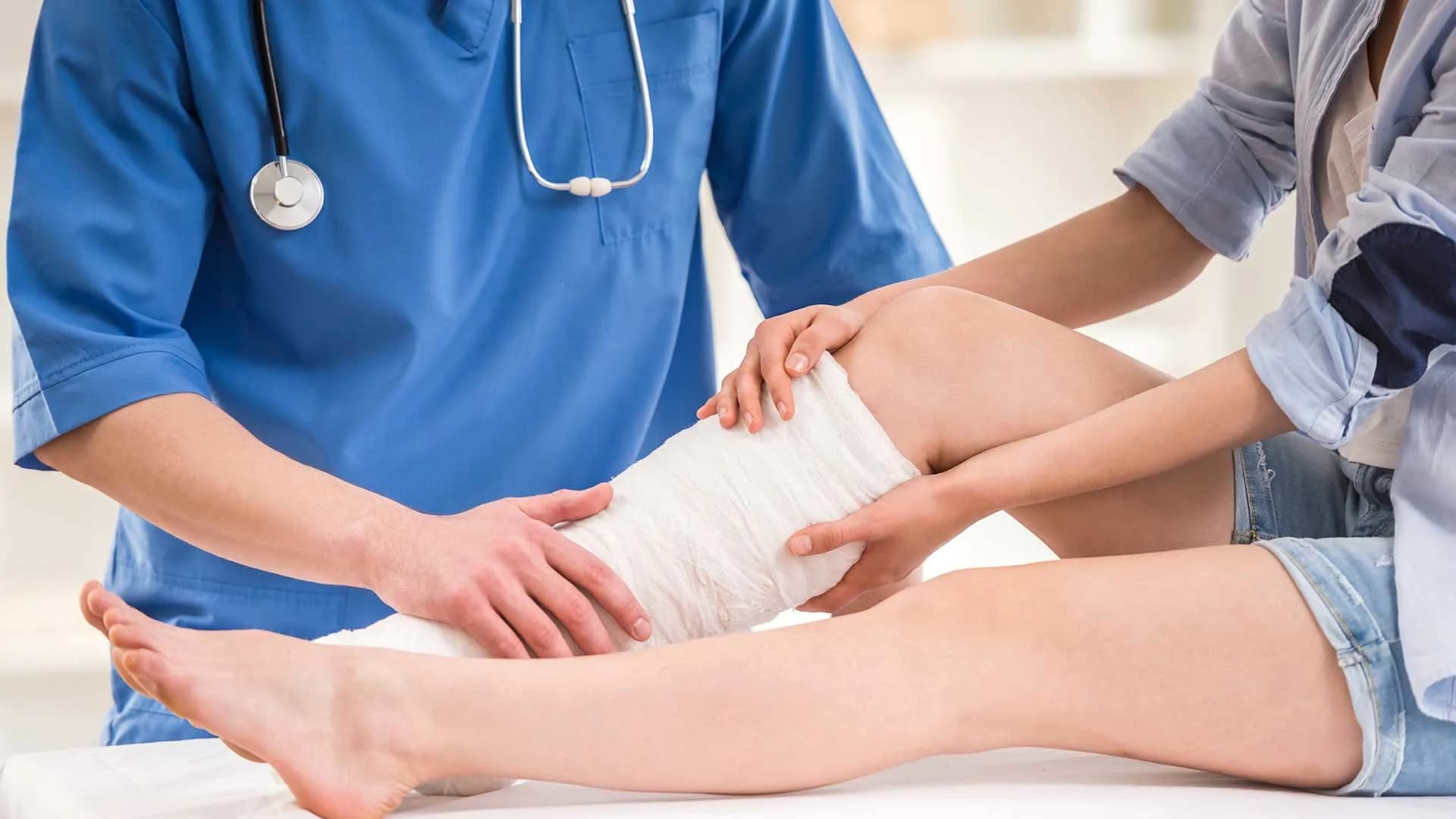

Orthopedics and traumatology
The musculoskeletal system: fractures, joint diseases, sports injuries and spine problems.