
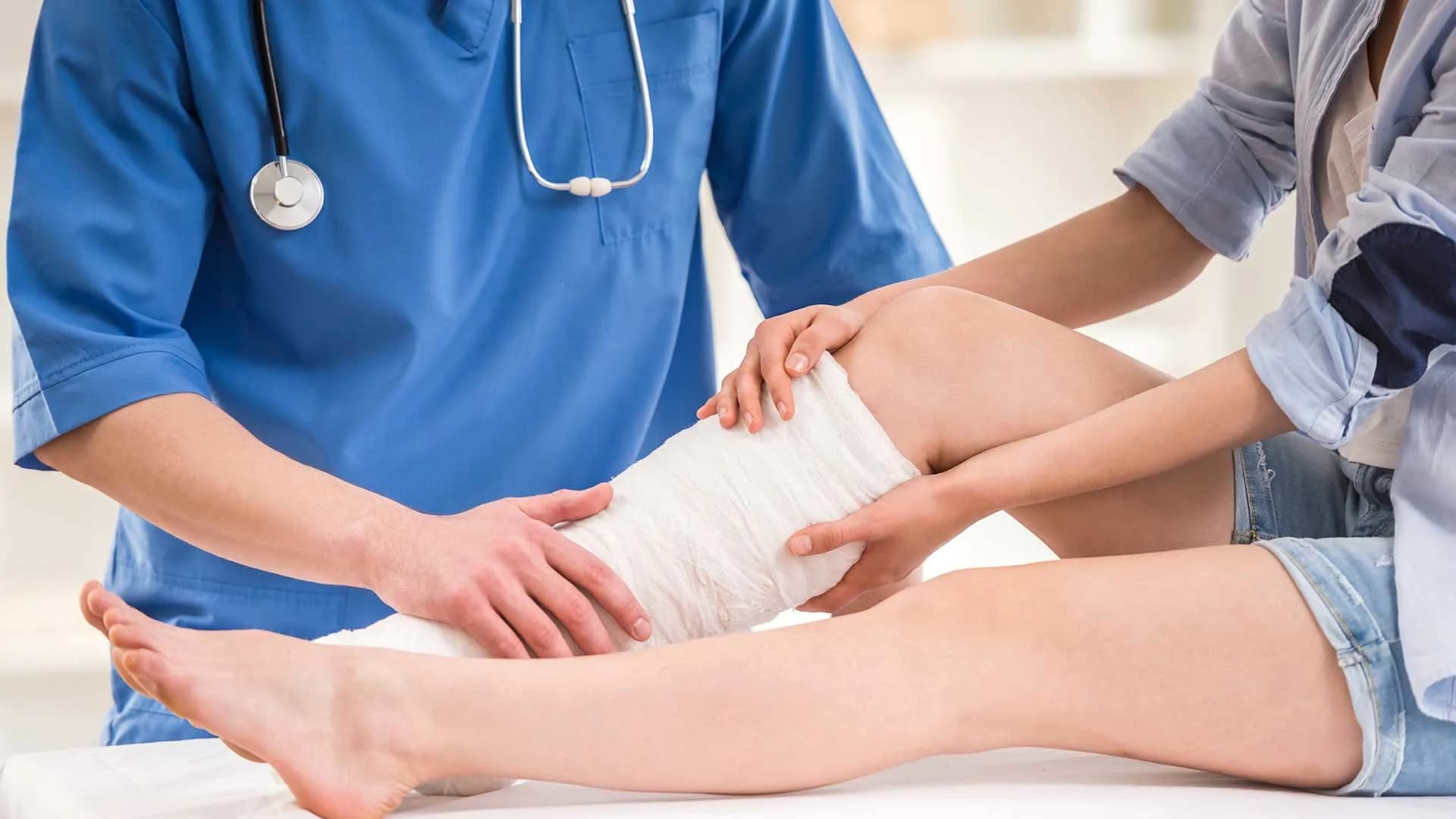
Medical department
Orthopedics and traumatology
The musculoskeletal system: fractures, joint diseases, sports injuries and spine problems.

Traumatology deals with acute injuries, while orthopedics deals with disorders that develop over a long time. In practice the two cannot be separated: an injury that was not treated properly at a young age can come back years later as joint wear.
Prevention has a special place in the department's work. Poor posture, excess weight and improper training loads are all correctable factors, and timely intervention extends the life of a joint.
Orthopedics and traumatology
Conditions we see
The list is not exhaustive: if your complaint is not here, you can still contact us.
Trauma
- Bone fractures
- Joint dislocations
- Ligament and tendon injuries
- Muscle strains
- Sports injuries
Joint diseases
- Knee osteoarthritis
- Shoulder pain and limited range of motion
- Hip joint problems
- Joint pain of rheumatic origin
Spine and deformities
- Lumbar disc herniation
- Poor posture and scoliosis
- Flat feet
- Developmental deformities in children
In the department
Examinations and procedures
- Orthopedic examination and consultation
- Ordering X-ray and CT scans
- Casting and immobilization
- Intra-articular treatment
- Conservative treatment planning
- Referral to a rehabilitation program
When to see a doctor
- If swelling, pain or limited movement persists after an injury
- If joint pain has lasted for several weeks
- If you limp or have balance problems when walking
- If you notice problems with your child's posture or gait
- If pain returns in the area of a previous injury
Your visit
How the appointment goes
1. Examination
You are asked how the injury happened, and range of motion and stability are checked.
2. Imaging
If a fracture is suspected, an X-ray is taken the same day at the same location.
3. Treatment
Immobilization, medication or referral for surgery: the decision is based on the findings.
4. Recovery
After the cast is removed, movement is restored with a physiotherapy program.
Questions
Frequently asked questions
Is it right to put ice on an injury?
In the first hours, cold reduces swelling. But if there is pain and deformity, do not treat yourself: see a doctor.
Can knee osteoarthritis be treated?
Although the process cannot be reversed, reducing pain and slowing its progression are realistic goals.
When are flat feet a problem in a child?
A certain degree is normal at a young age. If it does not improve with age or causes pain, an examination is needed.
When can I return to training after a sports injury?
The type of injury determines the timing. Returning too early is the most common cause of re-injury.
Medical departments
Other departments
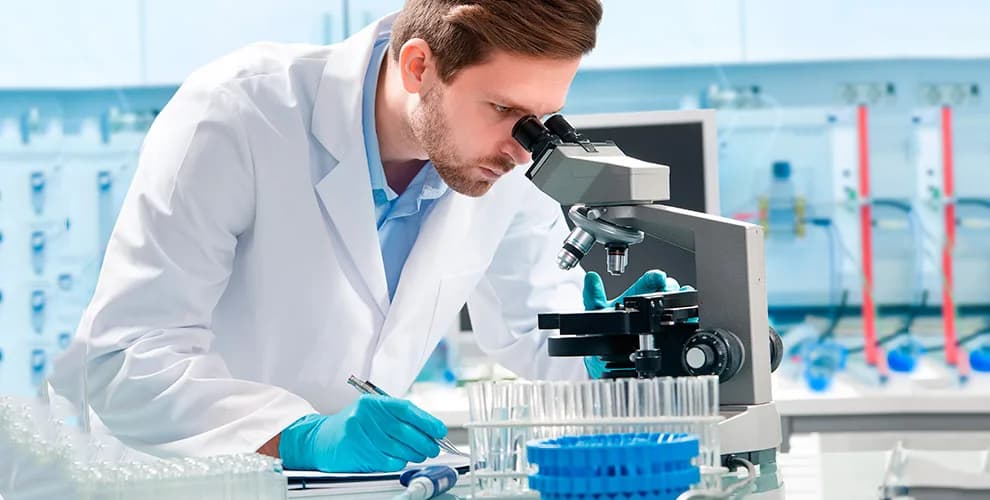

Laboratory
Biochemical, hormonal, microbiological and molecular genetic testing, with samples taken at the clinic or at your home.


Diagnostics
Computed tomography, digital X-ray, ultrasound and Doppler, in one day and at one address.
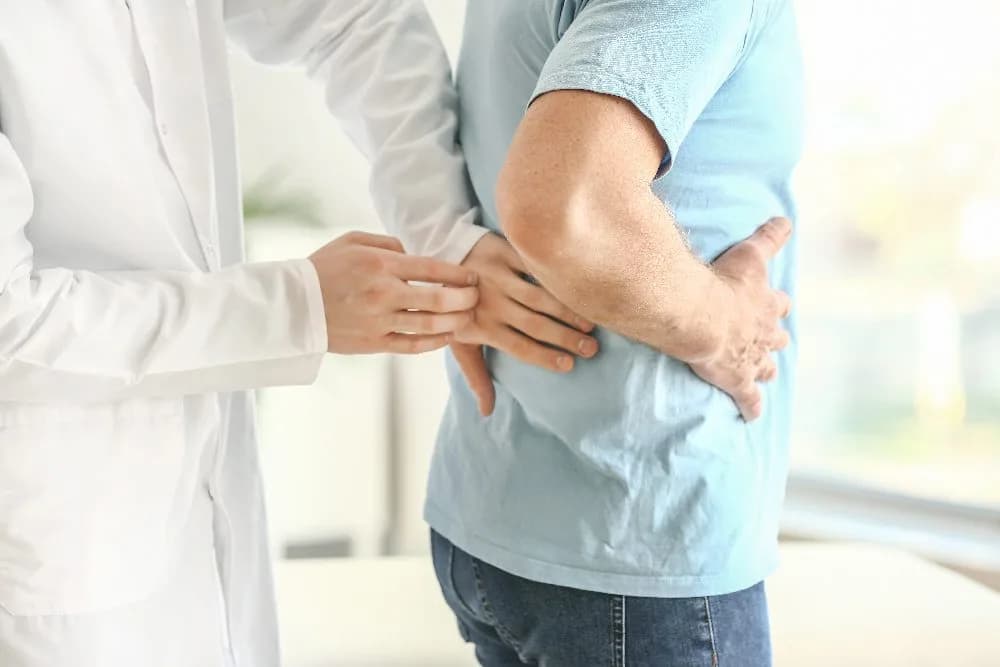

Urology
Diagnosis, treatment and prevention of diseases of the urinary tract and the male reproductive system.
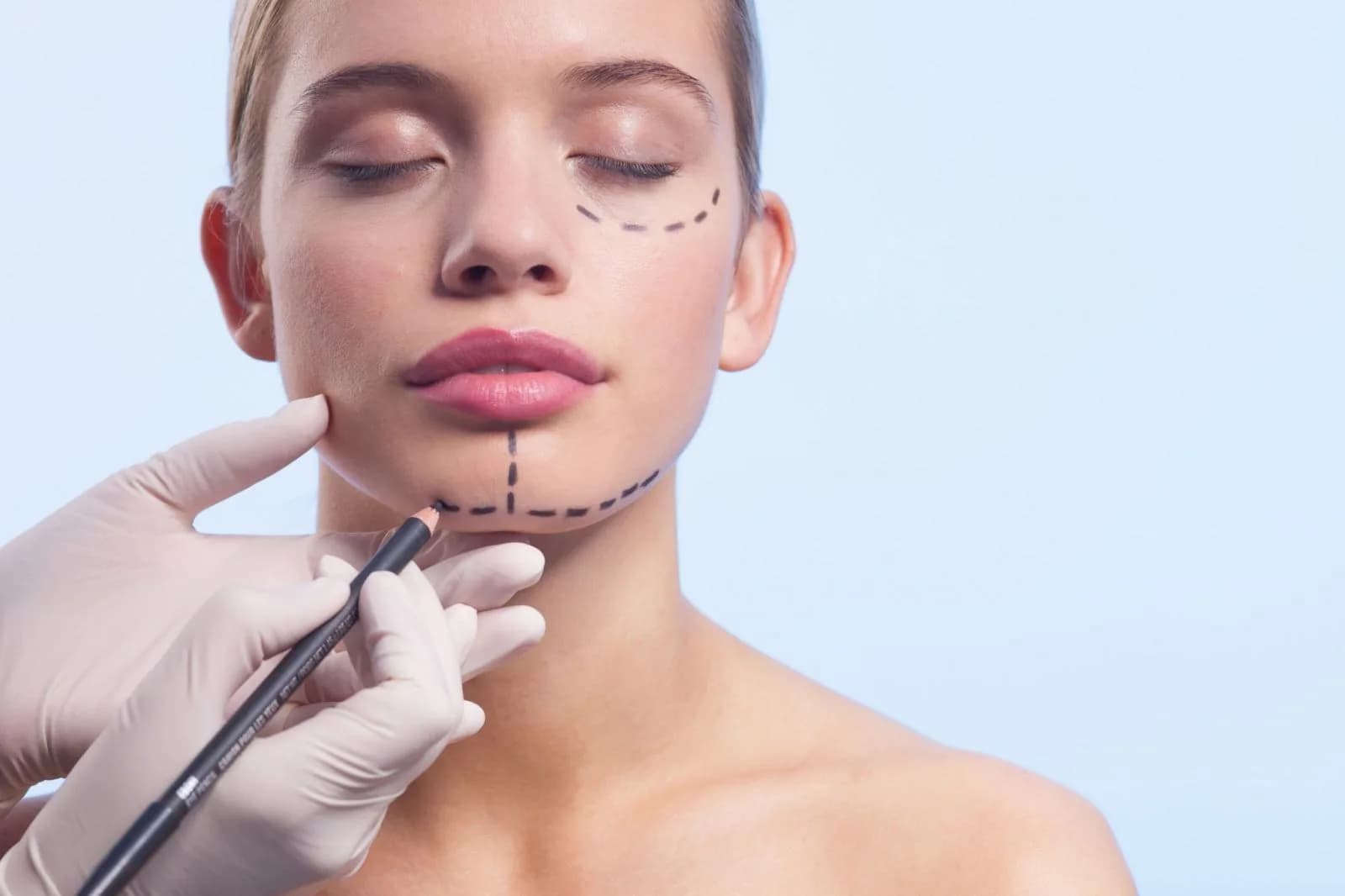

Aesthetic surgery
Surgical procedures that correct appearance and also address functional problems.

ENT (Ear, Nose and Throat)
Diagnosis and treatment of ear, nose and throat conditions in adults and children, with endoscopic examination.

Gynecology
Women's health at every stage, from pregnancy monitoring to menopause.