Medical department
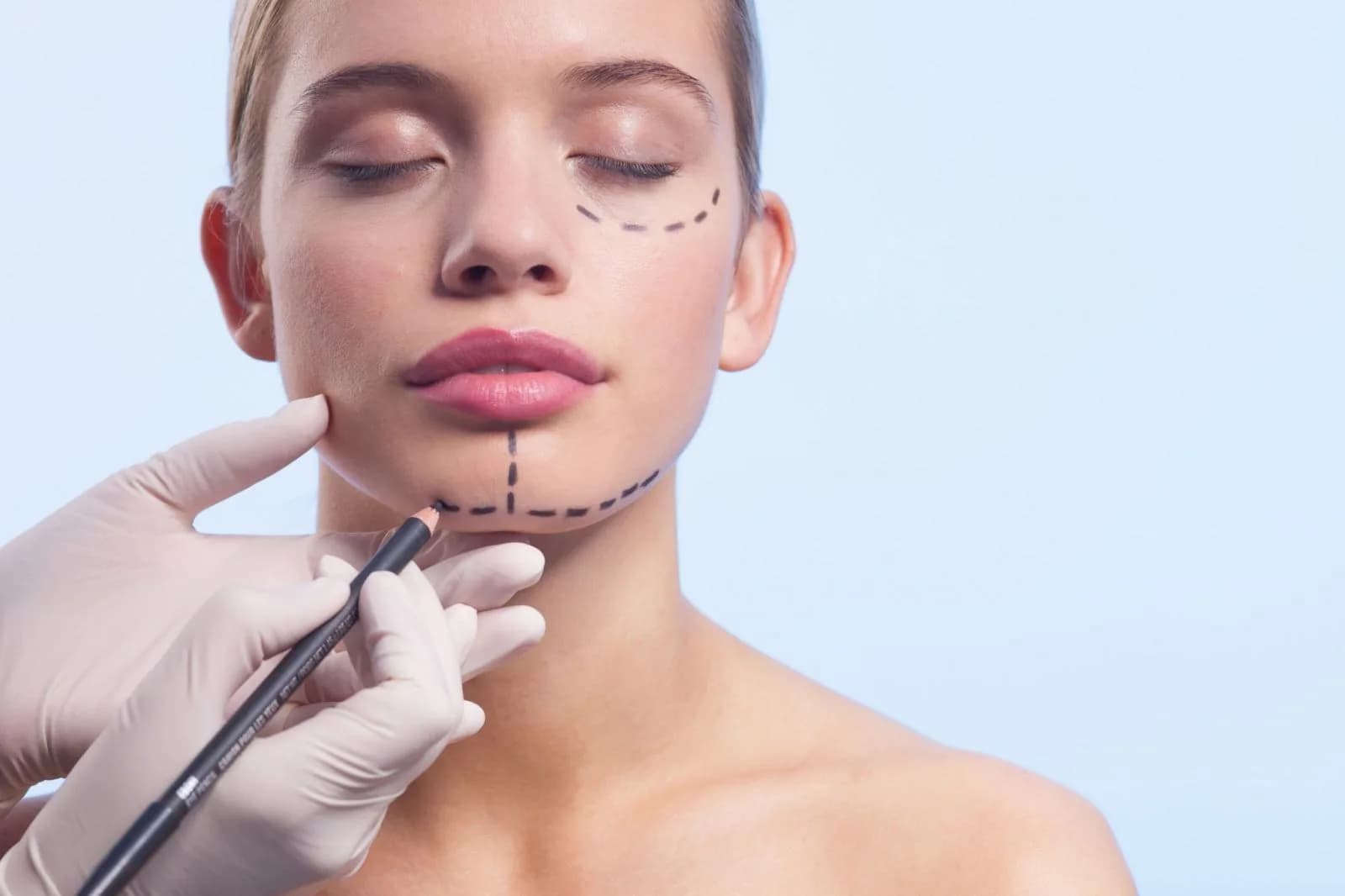
Aesthetic surgery
Surgical procedures that correct appearance and also address functional problems.

Aesthetic surgery is not only about appearance. A deviated septum makes breathing difficult, and drooping eyelids narrow the field of vision; in such cases surgery is performed for both aesthetic and medical reasons.
The decision should not be rushed. At the consultation, the expected result, recovery time and possible risks are discussed openly; realistic expectations matter as much as surgical technique. When a procedure is not appropriate, the surgeon advises against it.
Aesthetic surgery is one of the fastest-developing fields of modern medicine, but this progress does not make the decision easier; on the contrary, the more options there are, the more important it becomes to establish the right indication. That is why the department always follows the same sequence: first the functional side of the complaint is evaluated, then the aesthetic goal is discussed, and only after that is the technique chosen.
The outcome of surgery does not depend on the surgeon alone. Smoking, blood thinners, uncontrolled blood pressure and not following the recovery regimen directly affect the result. These factors are discussed openly during preparation, and written instructions are given for each of them.
Aesthetic surgery
Conditions we see
The list is not exhaustive: if your complaint is not here, you can still contact us.
Face
- Nose reshaping
- Deviated nasal septum
- Drooping eyelids
- Face and neck lift
- Ear reshaping
- Lip and chin contouring
Body
- Body contouring
- Removal of excess skin after weight loss
Reconstructive
- Scar revision
- Post-traumatic reconstruction
In the department
Examinations and procedures
- Surgical consultation and planning
- Preoperative examination and laboratory workup
- Surgery
- Postoperative follow-up
- Monitoring of the recovery period
- Pre-anesthesia assessment
- Management of postoperative pain and swelling
When to see a doctor
- If nasal obstruction interferes with breathing
- If your eyelid limits your field of vision
- If a change in shape remains after an injury
- If you need objective advice to decide on a procedure
- If you are not satisfied with the result of a previous operation
- If excess skin after weight loss causes discomfort
Your visit
How the appointment goes
1. Consultation
Your expectations are heard, and what is technically possible is explained openly.
2. Preparation
Tests and any necessary imaging are performed; the medications you take are reviewed.
3. Surgery
The type of procedure and anesthesia are agreed on in advance.
4. Recovery
You receive a schedule of follow-up visits; the result takes shape during this period.
Questions
Frequently asked questions
How long is recovery?
It depends on the type of procedure. You will be given a specific estimate at the consultation.
Is the result always as expected?
There are no guarantees in surgery. That is why a realistic range of outcomes is discussed openly at the consultation.
Does nose surgery improve breathing?
Yes, if the deviated septum is corrected; this is a procedure performed for a functional indication.
Is there an age limit?
For some procedures, growth must be complete. The surgeon determines whether you are a suitable candidate.
Can I have surgery if I smoke?
Smoking slows wound healing and increases the risk of complications. The surgeon may require you to stop smoking for a certain period before and after surgery.
Will there be a scar?
Every incision leaves a mark, but the incision line is planned in the least visible area possible, and with proper care the scar fades over time.
Medical departments
Other departments


Laboratory
Biochemical, hormonal, microbiological and molecular genetic testing, with samples taken at the clinic or at your home.


Diagnostics
Computed tomography, digital X-ray, ultrasound and Doppler, in one day and at one address.

Urology
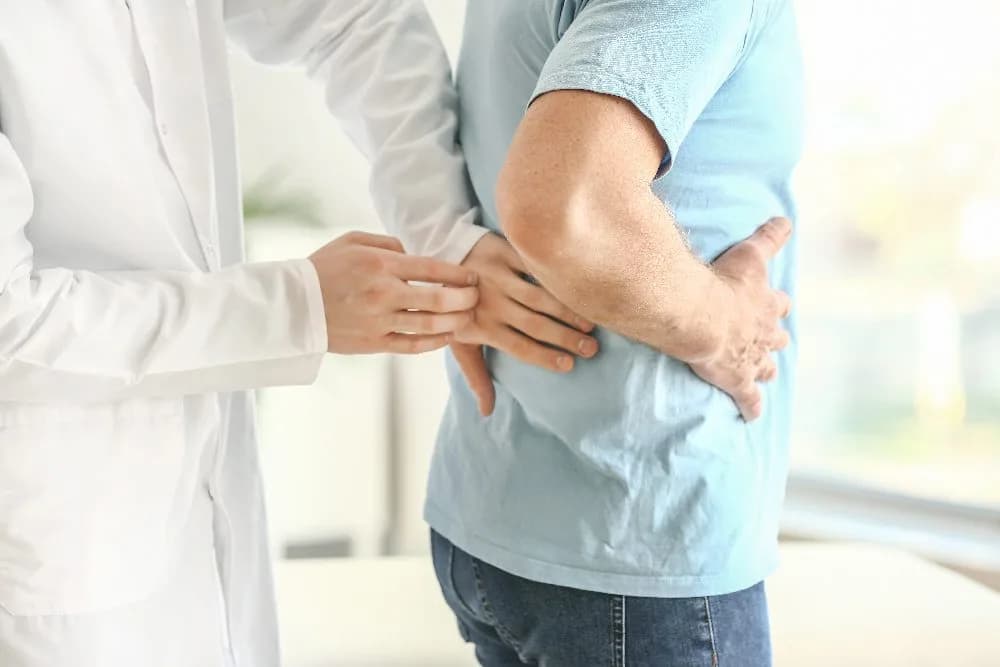
Diagnosis, treatment and prevention of diseases of the urinary tract and the male reproductive system.

ENT (Ear, Nose and Throat)
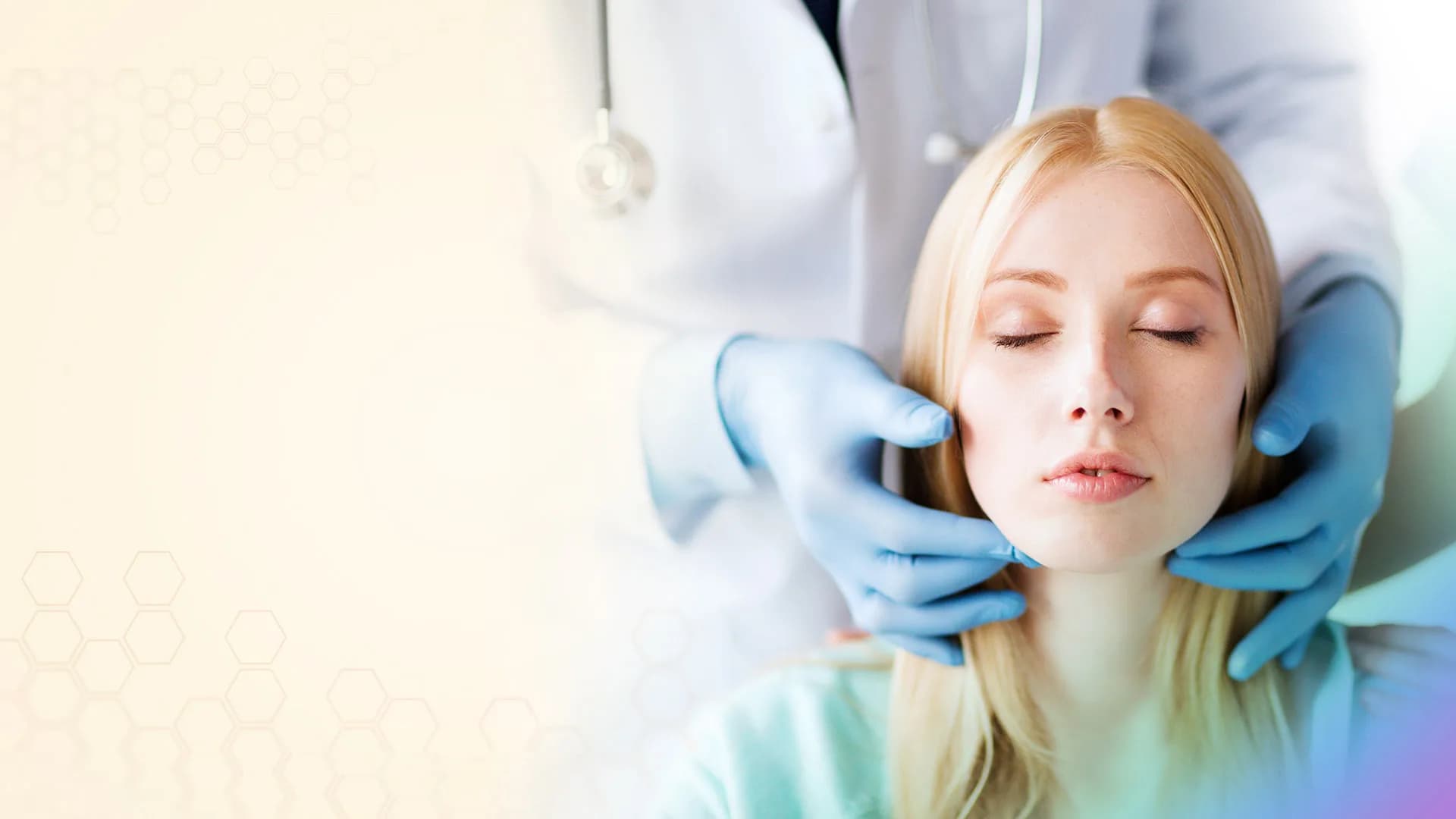
Diagnosis and treatment of ear, nose and throat conditions in adults and children, with endoscopic examination.
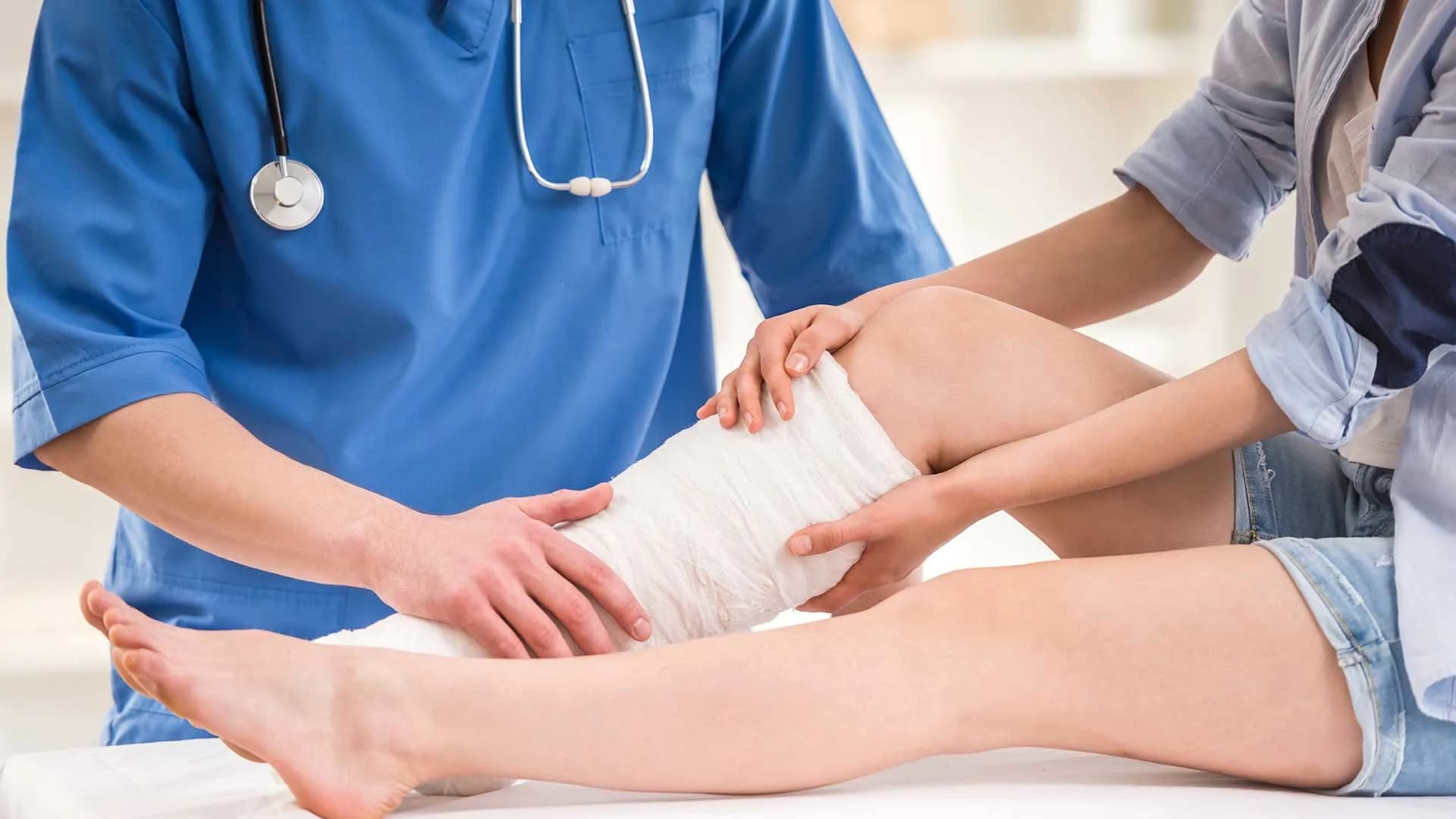

Orthopedics and traumatology
The musculoskeletal system: fractures, joint diseases, sports injuries and spine problems.
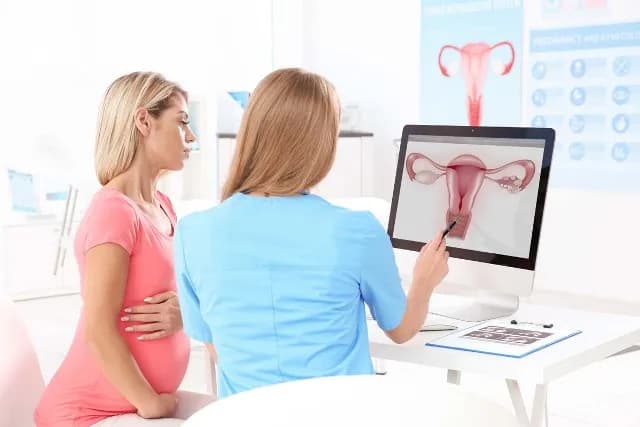

Gynecology
Women's health at every stage, from pregnancy monitoring to menopause.