
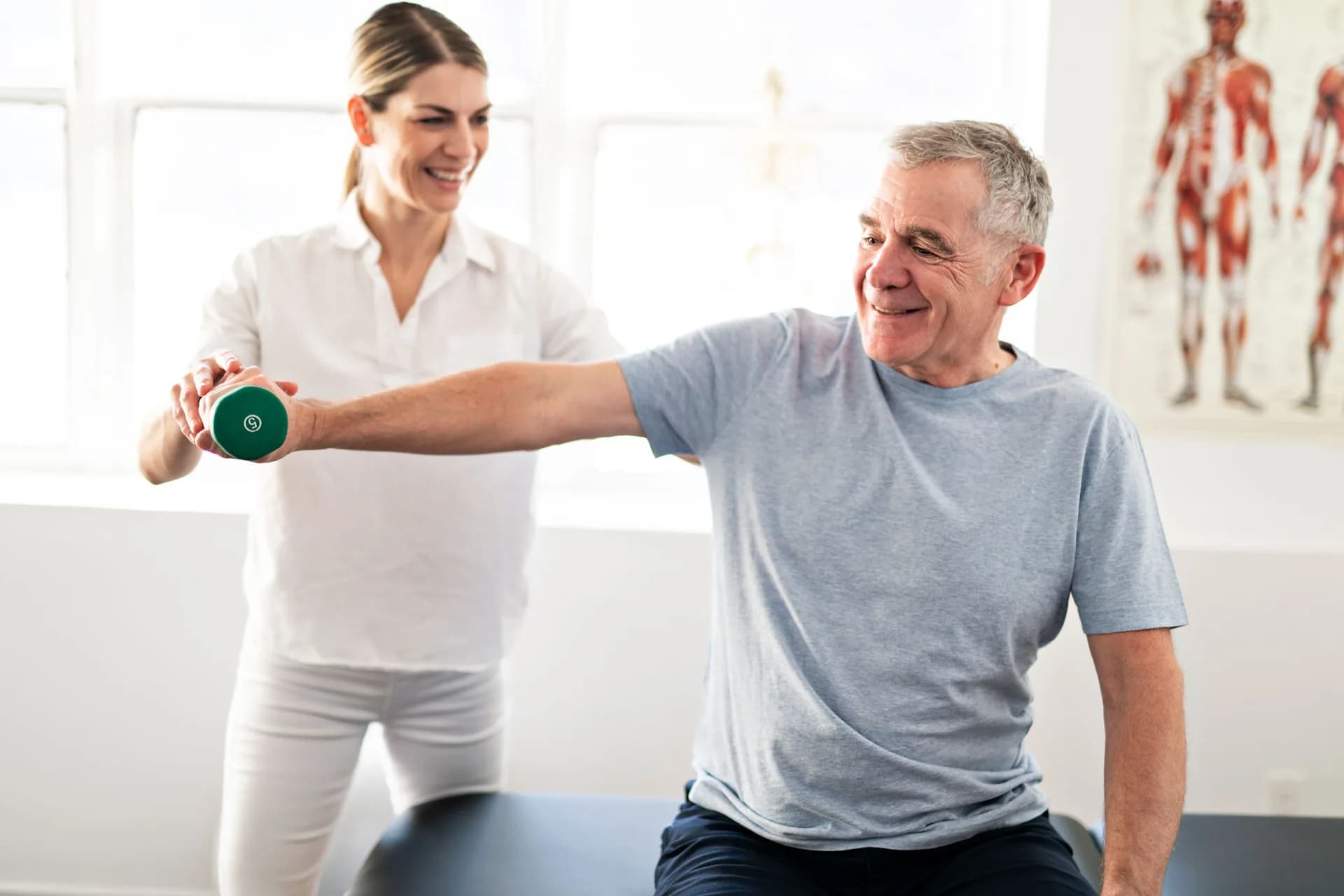
Medical department
Physiotherapy
Pain relief and restoration of mobility through device-based therapy, exercise and manual techniques.

Physiotherapy is not an alternative to medication but a continuation of it. A painkiller silences the complaint temporarily; mobility is restored only by targeted exercise and properly chosen procedures.
The department works with two groups of patients: those with acute pain and those who need long-term recovery. For the second group (after a stroke, after surgery or with a chronic spine problem), the program is planned week by week and the results are measured and tracked.
Physiotherapy
Conditions we see
The list is not exhaustive: if your complaint is not here, you can still contact us.
Spine and joints
- Herniated and bulging discs
- Osteochondrosis
- Knee osteoarthritis
- Shoulder pain and limited range of motion
- Neck and lower back pain
Neurological rehabilitation
- Recovery after ischemic stroke
- Hemiplegia and partial paralysis
- Paralysis of various origins
- Recovery after nerve injuries
Tissue and circulation
- Bleeding into soft tissues
- Lymphostasis
- Postoperative recovery
- Sports injuries
In the department
Examinations and procedures
- Individual exercise therapy (kinesiotherapy) program
- Kinesio taping
- Manual therapy
- Hirudotherapy (leech therapy)
- Acupuncture
- Geriatric rehabilitation for older patients
- Home physiotherapy
When to see a doctor
- If pain lasts more than two weeks
- If you need to regain mobility after surgery or a fracture
- During recovery after a stroke
- When a joint becomes limited in movement
- With recurrent lower back pain from long hours of sitting at work
Your visit
How the appointment goes
1. Assessment
Range of motion, muscle strength and pain level are measured; this is the starting point of the program.
2. Program
The number of sessions, the procedures and home exercises are given to you in writing.
3. Sessions
Treatment is carried out under a specialist's supervision; if the technique is performed incorrectly, it will not work.
4. Measurement
The same parameters are remeasured at set intervals, and the program is adjusted based on the results.
Questions
Frequently asked questions
How many sessions will I need?
The number depends on the diagnosis and your starting condition. After the initial assessment you receive an estimated plan, which is refined as treatment progresses.
Are the procedures painful?
The goal is to reduce pain. If you feel discomfort during a session, be sure to say so, and the load will be adjusted right away.
Is physiotherapy at home possible?
Yes. For patients with limited mobility, a specialist comes to your address.
Are home exercises important?
Yes, much of the result depends on the work done between sessions.
Medical departments
Other departments
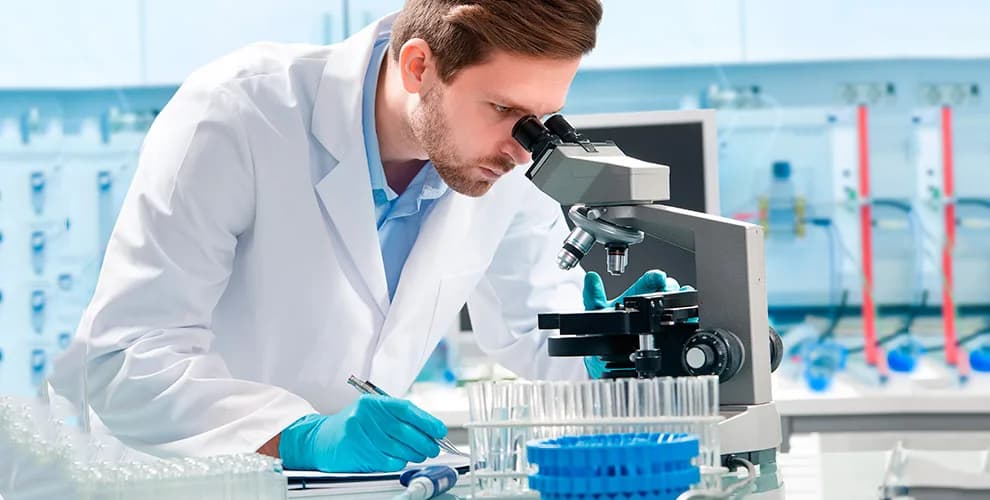

Laboratory
Biochemical, hormonal, microbiological and molecular genetic testing, with samples taken at the clinic or at your home.
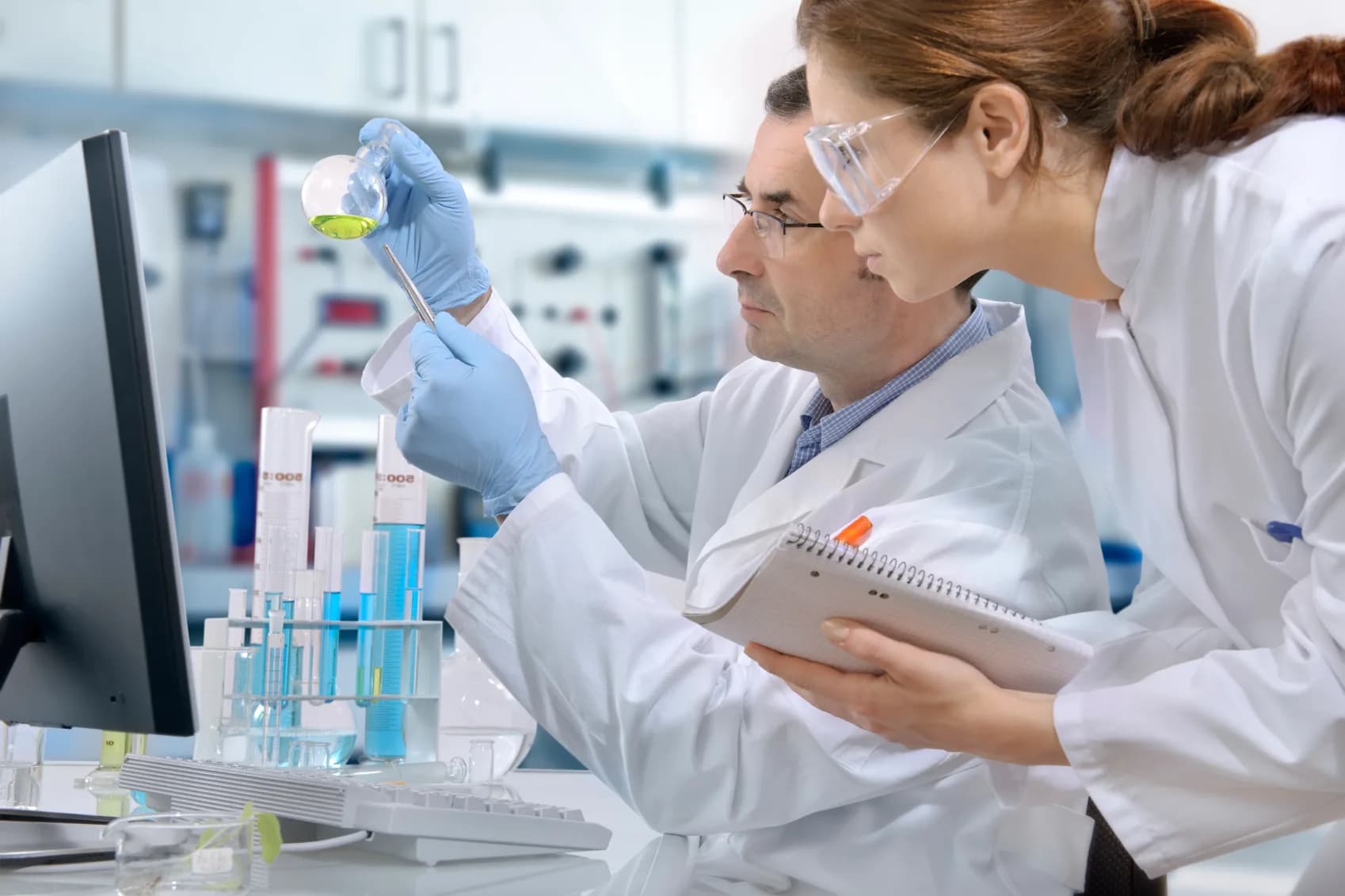

Diagnostics
Computed tomography, digital X-ray, ultrasound and Doppler, in one day and at one address.
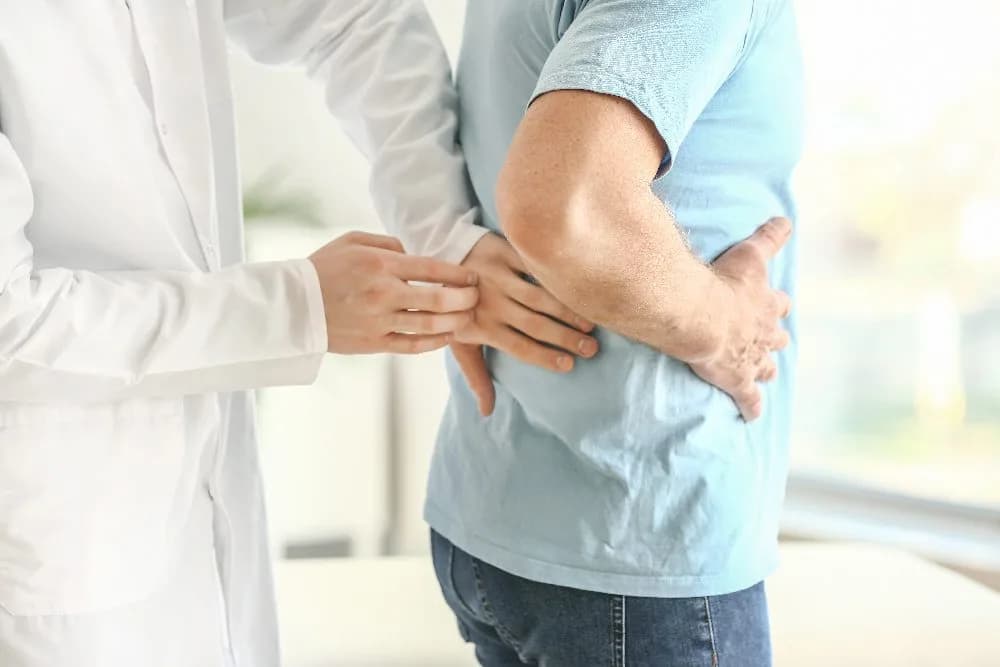

Urology
Diagnosis, treatment and prevention of diseases of the urinary tract and the male reproductive system.
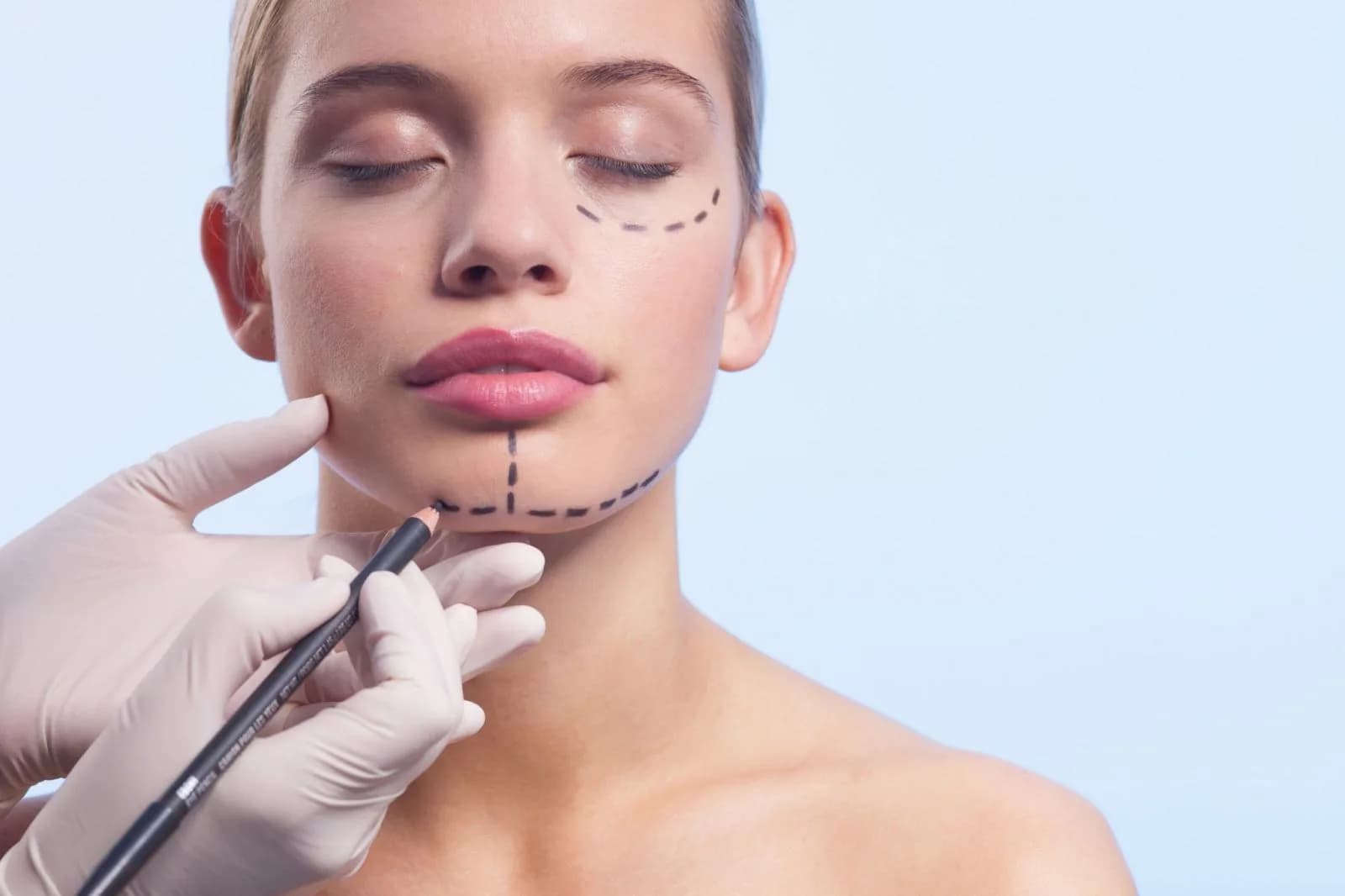

Aesthetic surgery
Surgical procedures that correct appearance and also address functional problems.


ENT (Ear, Nose and Throat)
Diagnosis and treatment of ear, nose and throat conditions in adults and children, with endoscopic examination.
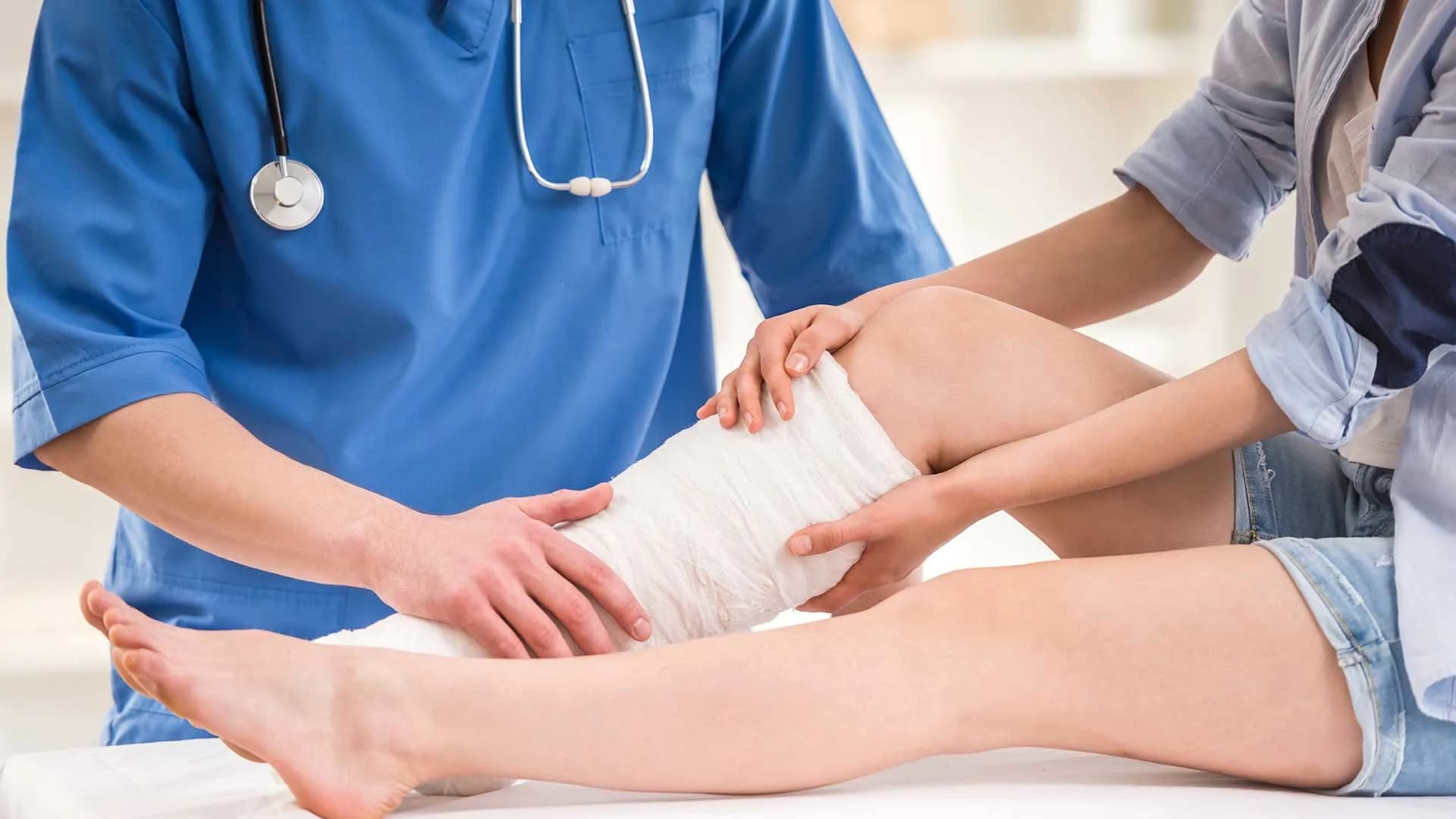

Orthopedics and traumatology
The musculoskeletal system: fractures, joint diseases, sports injuries and spine problems.