

Medical department
Diagnostics
Computed tomography, digital X-ray, ultrasound and Doppler, in one day and at one address.

The department turns a doctor's suspicion into an image. The source of pain, the extent of an injury, the condition of an internal organ: much of this can only be confirmed with imaging, and this is the stage where the treatment plan takes shape.
An image depends not only on the equipment but just as much on who reads it. Scans are reported by a radiology specialist, and the result is sent to the doctor who referred you so that your treatment continues without interruption.
Diagnostics
Conditions we see
The list is not exhaustive: if your complaint is not here, you can still contact us.
Computed tomography (CT)
- Head and brain
- Lungs and chest
- Abdominal organs
- Spine and joints
- Paranasal sinuses
Ultrasound and Doppler
- Abdomen and kidneys
- Thyroid gland
- Gynecologic ultrasound
- Breasts
- Doppler ultrasound of blood vessels
- Joints and soft tissues
X-ray and functional tests
- Digital X-ray of bones and lungs
- ECG
- Echocardiography
In the department
Examinations and procedures
- CT with and without contrast
- Digital radiography
- Ultrasound (including Doppler)
- Electrocardiography (ECG)
- Echocardiography
- Home ultrasound and ECG for patients with limited mobility
When to see a doctor
- After trauma or injury, to rule out a fracture
- With persistent headache, dizziness or visual disturbance
- With a long-lasting cough or shortness of breath
- With unexplained abdominal pain
- On your doctor's advice, to monitor treatment results
Your visit
How the appointment goes
1. Referral
Scans are performed on a doctor's referral; your symptoms and the initial examination determine which method is needed.
2. Preparation
Some scans require fasting or a full bladder. Instructions are given when your appointment is confirmed.
3. Scan
Ultrasound and X-ray take a few minutes; a CT scan usually takes 10-15 minutes.
4. Report
The images are read by a specialist, and a written report is given to you and your treating doctor.
Questions
Frequently asked questions
Is CT radiation dangerous?
Modern scanners use a much lower dose, and the scan is performed only when there is a medical indication. If there is any chance you may be pregnant, be sure to tell the doctor and the technologist.
Can I get my results the same day?
Reports for most scans are ready the same day. The front desk will tell you the exact time before the scan.
Can I take the images with me?
Yes. The images are provided together with the report and uploaded to your personal account.
How do I prepare for an ultrasound?
It depends on the type of scan: an abdominal ultrasound usually requires fasting, while a pelvic ultrasound requires a full bladder.
Medical departments
Other departments


Laboratory
Biochemical, hormonal, microbiological and molecular genetic testing, with samples taken at the clinic or at your home.


Urology
Diagnosis, treatment and prevention of diseases of the urinary tract and the male reproductive system.


Aesthetic surgery
Surgical procedures that correct appearance and also address functional problems.


ENT (Ear, Nose and Throat)
Diagnosis and treatment of ear, nose and throat conditions in adults and children, with endoscopic examination.


Orthopedics and traumatology
The musculoskeletal system: fractures, joint diseases, sports injuries and spine problems.
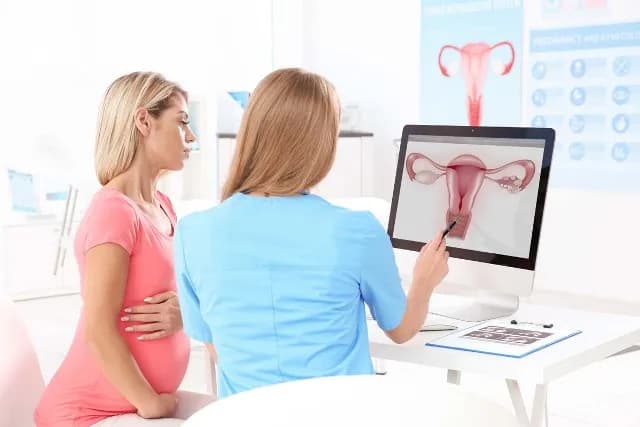

Gynecology
Women's health at every stage, from pregnancy monitoring to menopause.